
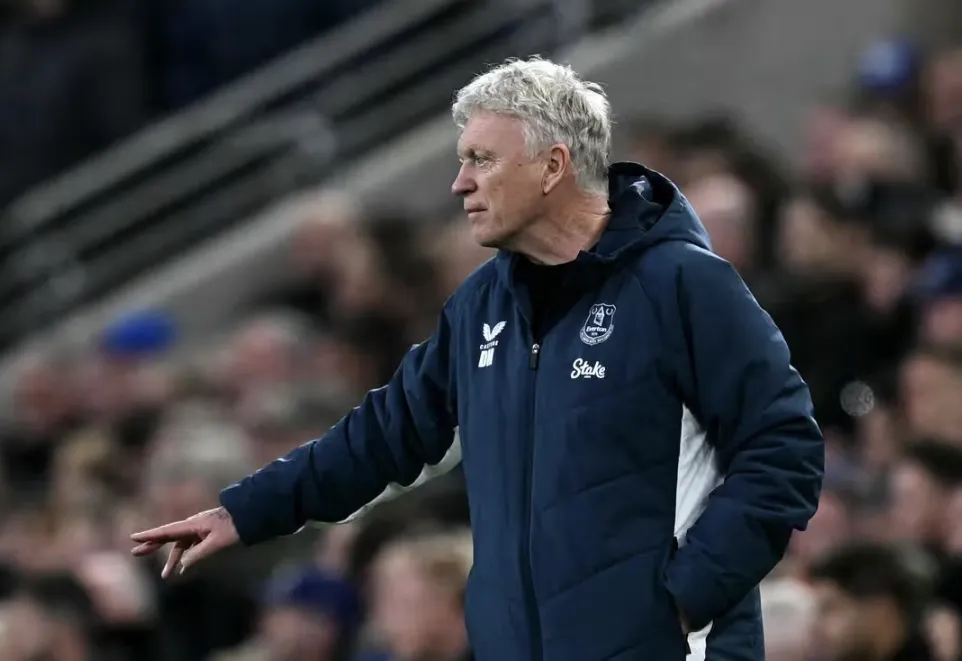
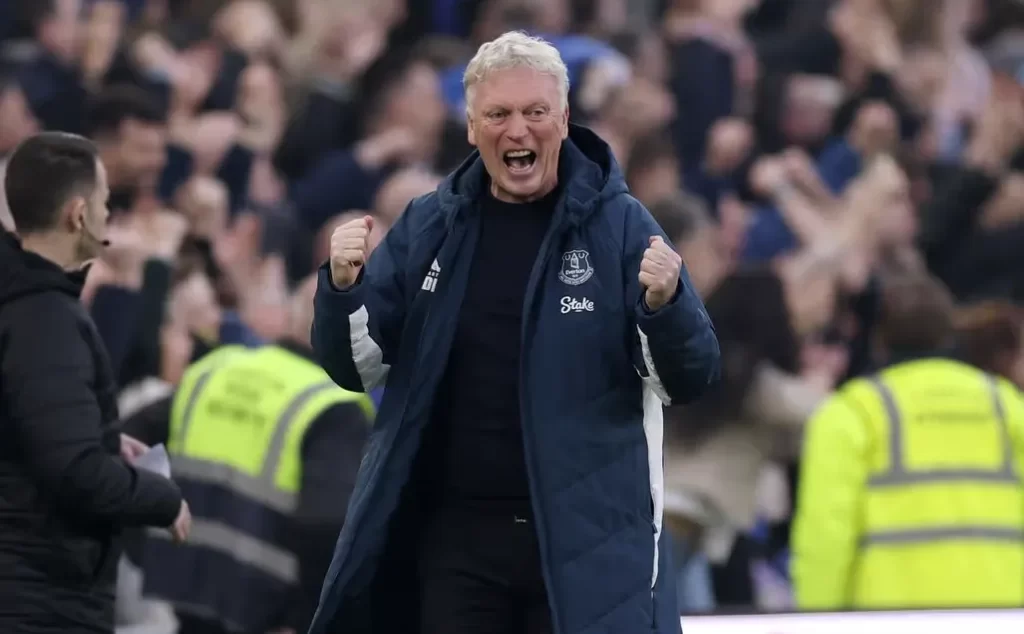
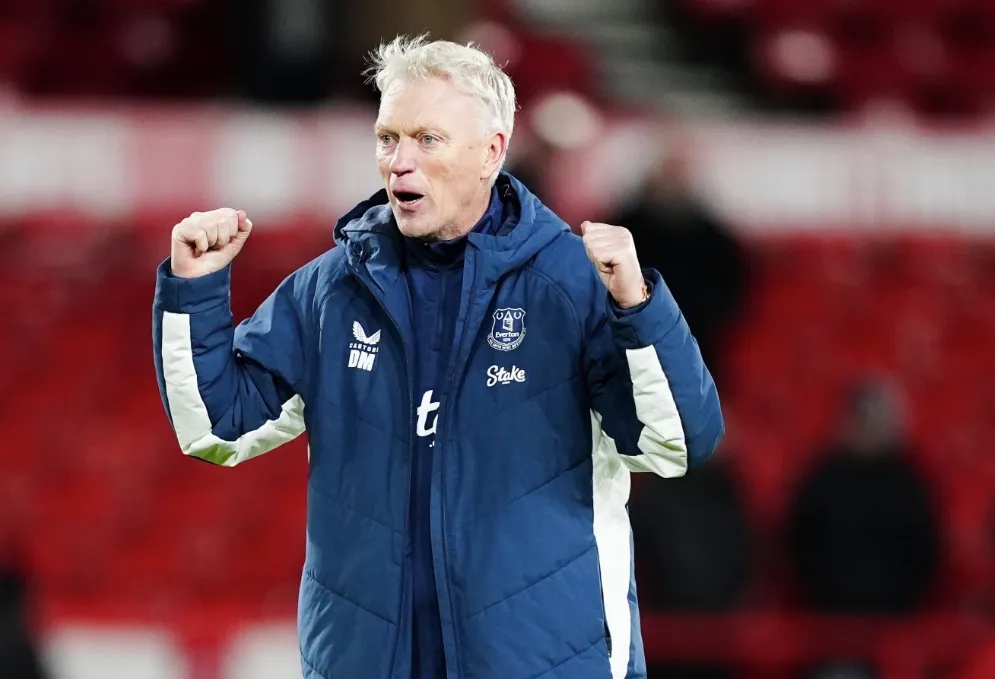
When you think of Everton Football Club and modern Premier League history, one name stands out above the rest: David Moyes. The Scottish manager took over a club in turmoil back in March 2002 and transformed it into a consistent top-half force over 11 remarkable years. For the fans and analysts at Mcw, revisiting the best XI from the Moyes era is not just an exercise in nostalgia—it’s a trip down memory lane to a time when Goodison Park was a fortress and European nights felt like a regular occurrence. This article will take you through the players who defined that golden period, analyzing their contributions and why they remain legends in royal blue.
The Foundation: How Moyes Built a Defensive Wall
A Goalkeeper Who Commanded the Box
Between the posts, Tim Howard became synonymous with Everton’s resilience. Signed from Manchester United in 2006 for a relatively modest fee, the American shot-stopper brought athleticism and consistency to the number one jersey. Howard’s reflexes were incredible, but his true strength lay in organizing a defense that often punched above its weight. He became a cult hero for his performances in cup runs and crucial league matches, setting a club record for clean sheets. His ability to make the spectacular look routine gave the backline the confidence to push higher and press with intensity.
The Rock-Solid Defender: Phil Jagielka
In central defense, Phil Jagielka was the embodiment of Moyes’ philosophy: discipline, intelligence, and unwavering commitment. Arriving from Sheffield United in 2007, Jagielka formed a legendary partnership with other defensive stalwarts. He wasn’t just about blocking shots; his reading of the game was exceptional. Jagielka’s leadership on the pitch was crucial during some of Everton’s most successful seasons, including the FA Cup final run in 2009. He rarely made mistakes and could even contribute the occasional crucial goal, making him a complete defender.
The Cult Hero: Leighton Baines
Few players have embodied the modern full-back role as perfectly as Leighton Baines. Signed from Wigan Athletic in 2007, Baines became the Premier League’s most consistent left-back for a decade. His delivery from set-pieces was legendary—if you saw Baines standing over a free-kick, you knew something good was about to happen. His overlapping runs provided width and were the primary creative outlet for many seasons. Watching Baines whip crosses into the box was a weekly pleasure for Evertonians and a nightmare for opposition defenses.
The Midfield Engine Room: Where Grit Met Creativity
The General: Mikel Arteta
Mikel Arteta was the brain of the Moyes machine. Arriving on loan from Real Sociedad in 2005 before making the move permanent, the Spanish midfielder brought technique and vision to a team known for its physicality. Arteta could dictate the tempo, split defenses with a single pass, and score from distance. His partnership with Tim Cahill in midfield created a unique dynamic where technical brilliance combined with directness. If you ever needed a player to keep possession under pressure, Arteta was your man—he rarely lost the ball and always found a blue shirt.
The Box-to-Box Phenomenon: Tim Cahill
If Arteta was the brain, Tim Cahill was the heart. The Australian midfielder redefined the role of a second striker from midfield. Standing only 5’10”, Cahill was unstoppable in the air, with a vertical leap that defied physics. His timing of runs into the box was perfect, and his goals against top rivals like Liverpool became instant classics. Cahill’s work rate was phenomenal—tracking back, pressing, and then ghosting forward to score. He scored 56 goals for Everton, a remarkable tally for a midfielder, and his passionate celebrations made him a fan favorite.
The Enforcer: Lee Carsley
To balance the creativity, Moyes needed a destroyer, and Lee Carsley fit the bill perfectly. Before the role of a defensive midfielder became fashionable, Carsley was doing the dirty work. He broke up attacks, protected the back four, and provided the platform for the flair players to shine. His performance in the 2005 derby at Anfield, where he neutralized Liverpool’s midfield, is still talked about today. Carsley’s contribution often went unnoticed in the highlight reels, but his teammates and the coaching staff knew his value.
The Attacking Trio: Goals, Flair, and Relentless Work Ethic
The Winger Who Could Do It All: Steven Pienaar
Steven Pienaar brought South African flair and technical brilliance to the right flank. After a slow start at the club, he flourished, especially during his second spell on loan from Tottenham. Pienaar’s close control, quick dribbling, and ability to cut inside and shoot made him a constant threat. He developed a telepathic understanding with Leighton Baines down the left side, creating one of the most effective attacking partnerships in the Premier League. Pienaar was also a hard worker off the ball, pressing high up the pitch to win possession back for his team.
The Target Man: Duncan Ferguson
It is impossible to discuss the Moyes era without mentioning Duncan Ferguson. The towering Scot was the ultimate target man—physical, aggressive, and capable of terrorizing defenders. While injuries limited his appearances, his impact was immense. Ferguson’s hold-up play allowed teammates like Cahill and Arteta to play off him. When Everton needed a goal, bringing Ferguson off the bench was the classic Moyes move. His header in the 2009 FA Cup semi-final is a moment etched in blue history. He represented the fighting spirit of the club.
The Poacher: James Beattie vs. Louis Saha
Choosing one striker is tough, but Louis Saha edges it due to his devastating finishing ability. Signed in 2008 from Manchester United, Saha had a perfect blend of pace, strength, and composure. Despite injury problems, his goals per minute ratio was phenomenal. His brace against Aston Villa on the last day of the 2008-09 season to secure Europa League qualification was pure class. Saha’s movement off the ball was brilliant, and his ability to score from tight angles made him a nightmare for defenders. He was clinical and elegant—a complete forward.
Tactical Brilliance: How Moyes Made It Work
The 4-4-1-1 System That Defined an Era
David Moyes preferred a disciplined 4-4-1-1 formation, with Cahill playing as a second striker behind a main forward. This system relied on width from the full-backs and direct, quick transitions. Moyes’ teams were known for their organization and set-piece efficiency. They were difficult to break down and could counter-attack with devastating speed when Baines and Pienaar combined. The emphasis on defensive solidity meant Everton rarely lost heavily, and they consistently finished in the top half of the table despite a limited budget.
Key Moments That Defined the Era
- The 2005 Derby Win:Everton’s 1-0 victory at Goodison Park, with Carsley dominating the midfield, was a turning point.
- FA Cup Run 2009:Reaching the final against Chelsea, with Ferguson’s semi-final header being a career-defining moment.
- Consecutive Top-Eight Finishes:From 2005 to 2009, Everton finished 4th, 11th, 6th, 5th, and 5th, proving Moyes’ consistency.
Conclusion: The Unforgettable Everton Best XI Under David Moyes: A Legacy Revisited at Mcw
To summarize, this Best XI under David Moyes represents the perfect blend of grit, technique, and passion that defined a special era at Goodison Park. From Tim Howard’s safe hands to Louis Saha’s clinical finishing, every player played a crucial role in building Everton’s modern identity. The Mcw community will forever cherish these memories. What are your favorite memories of this team? Did we miss any key players like Leon Osman or Phil Neville? Share your thoughts below, drop a comment, and let’s celebrate the legacy of David Moyes’ Everton together. Don’t forget to explore more football legends and classic lineups right here on our site!
